
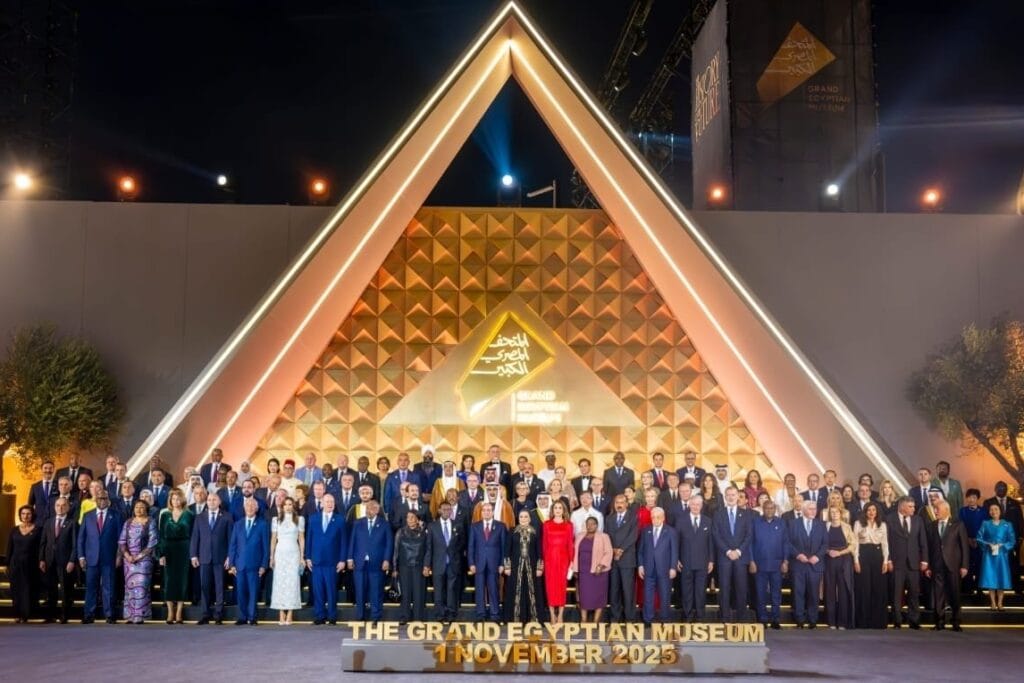
The Grand Egyptian Museum opened its doors to visitors on November 1. It is located near one of the Seven Wonders of the World — the Great Pyramid of Giza. This is reported by the BBC.
Some halls of the museum, which is called the largest archaeological museum in the world, were opened last year. It contains almost 100,000 artifacts spanning about seven millennia of the country’s history — from predynastic times to the Greek and Roman eras. In total, the museum has 12 halls, all of which are classified by dynasties and historical order.
Prominent Egyptologists claim that the museum’s construction strengthens their demands for the return of key Egyptian antiquities held in other countries.
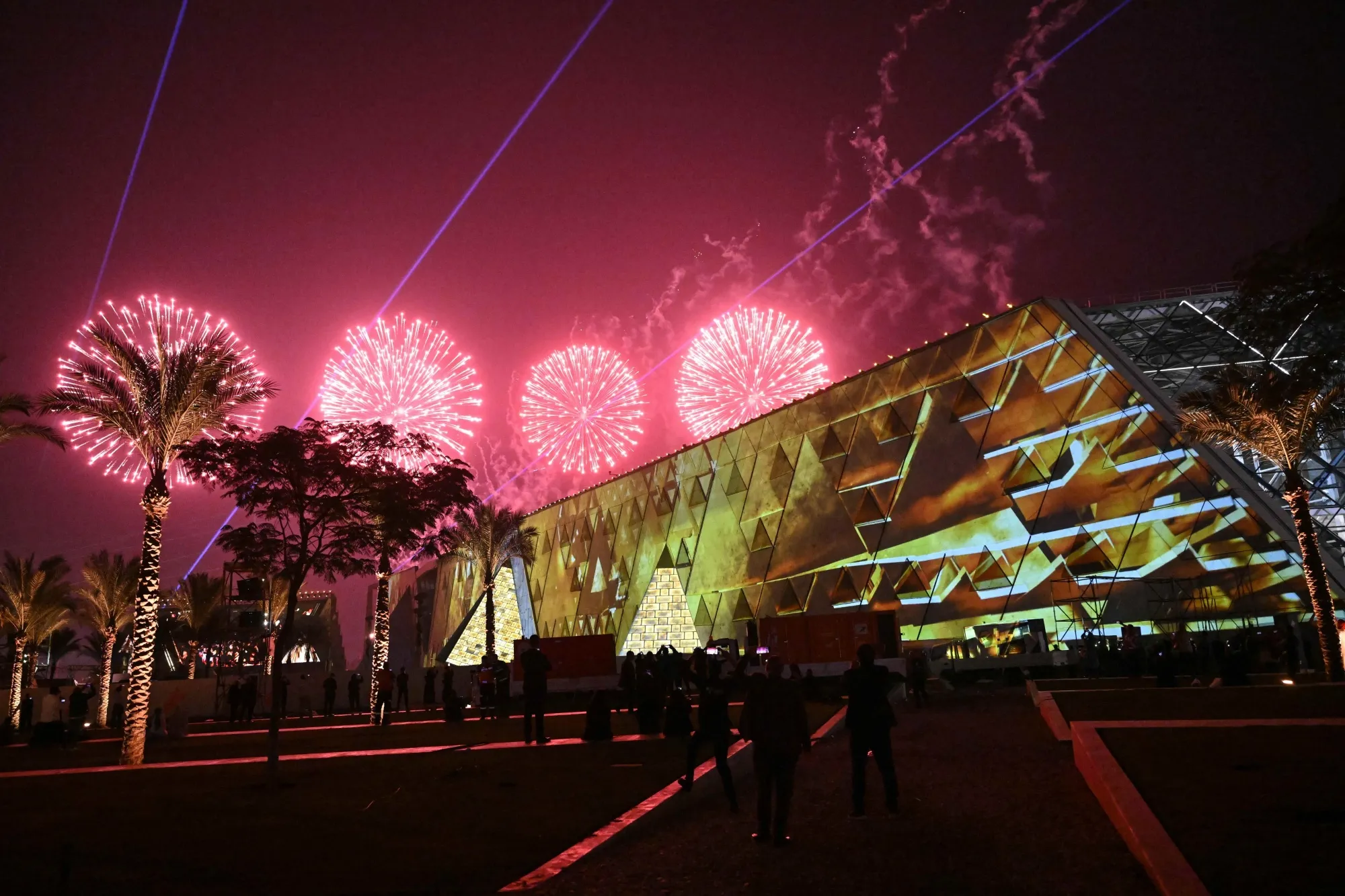
The museum’s main exhibit will be the complete contents of the intact tomb of the boy king Tutankhamun: 5,500 artifacts will be displayed together for the first time since the tomb was discovered by British Egyptologist Howard Carter in 1922. Among the exhibits are Tutankhamun’s impressive gold mask, throne, and chariot.
Egyptian restorers have already painstakingly restored objects that belonged to Tutankhamun. Under Egyptian law, such restoration work can only be carried out by Egyptians.
Egypt expects the huge museum complex, covering 500,000 square meters and costing about $1.2 billion, to attract up to 8 million visitors annually. This could give a boost to Egyptian tourism, which has been hit by regional crises.
The museum was first proposed in 1995, during the rule of President Hosni Mubarak, and construction began in 2005. It is estimated to have taken almost as long to build as the nearby Great Pyramid. It took 20 years to build. The project has been hampered by the financial crisis, the 2011 Arab Spring, which led to Mubarak’s overthrow and years of instability, the COVID-19 pandemic, and wars in the region.