
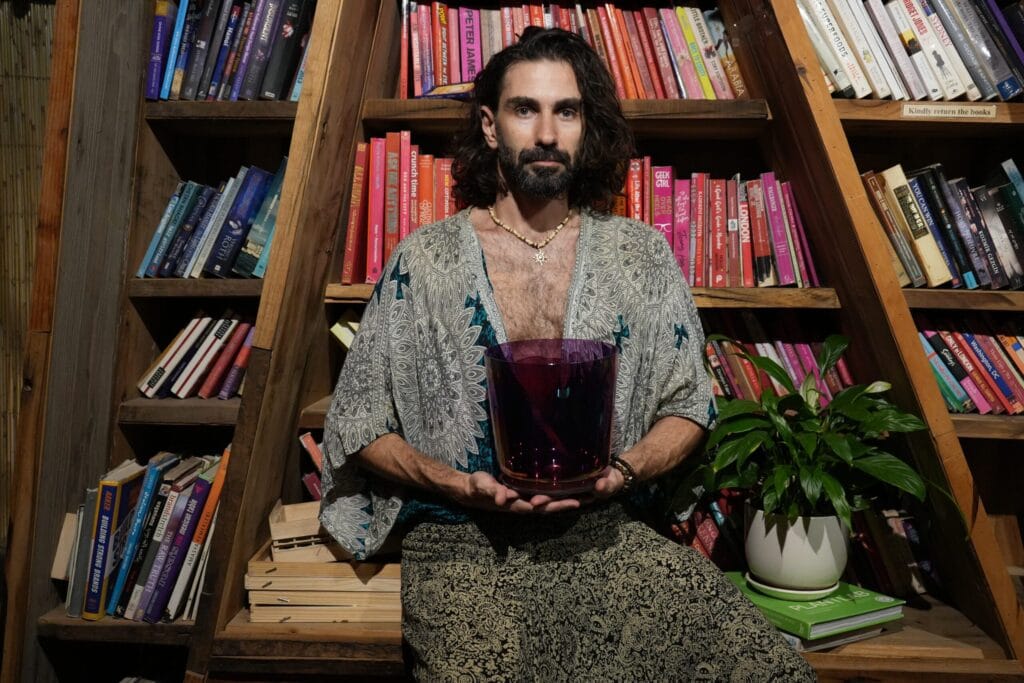
In a world overwhelmed by noise, speed, and constant stimulation, sound healing emerges not as an escape — but as a return. A return to the body, to presence, and to a quieter intelligence that exists beneath thought.
Jake Davidian is a sound healer whose work bridges ancient energetic practices and modern nervous system science. With a foundation rooted in Pranic Healing and years of experience working with vibration, frequency, and intention, Jake approaches sound not as performance, but as precision — a subtle language that speaks directly to the body.
In this ELLEDGY interview, Jake shares how his journey began with energy rather than sound, how vibration bypasses the mind, and why true healing happens not through force, but through resonance.
Can you tell us how your journey into sound healing began and what inspired you to pursue this path?
My journey didn’t start with sound, it started with energy. Back in 2009, when I began working with Pranic Healing, I became deeply aware that the body responds to things we can’t always see or touch. Years later, in 2019, sound entered my life not as a tool, but as an experience. The first time I truly felt sound moving through my body, I felt the calling. It reminded me of energy work, but in a more creative and embodied way. Sound didn’t require belief, it invited surrender. From there, it felt less like a choice and more like a natural evolution of my healing path.
You’ve worked with different healing traditions — were there any teachers or moments that shifted your understanding of sound and energy?
My foundation was deeply shaped by the teachings of Grand Master Choa Kok Sui (GMCKS). His work in Pranic Healing trained me to understand energy with clarity, discipline, and responsibility. He taught me that healing is a science as much as it is an art. Those teachings didn’t just influence how I heal; they shaped who I am today as a practitioner.
Learning structured systems through Pranic Healing and later sound therapy frameworks gave me the confidence to trust what I was sensing and the discernment to work safely and effectively. But what truly shifted my understanding were the moments when sound bypassed the mind completely and went straight to the nervous system — when the body responded before thought.
That’s when I understood something GMCKS emphasized so clearly: healing happens when interference is removed. Sound doesn’t convince. It doesn’t force. It just vibrates and resonates.
How did your early experiences with Pranic or energy healing influence your approach to sound healing?
Pranic Healing taught me that healing is not about “doing more” — it’s about removing interference. That philosophy deeply shapes how I work with sound. I don’t try to fix people. I create space. I work with intention, awareness of the energy field, and timing. Sound, for me, is not performance, it’s precision, its passion, its creation.
My energy background also made me sensitive to how people respond differently to the same frequencies, which is why I never treat sessions as one-size-fits-all.
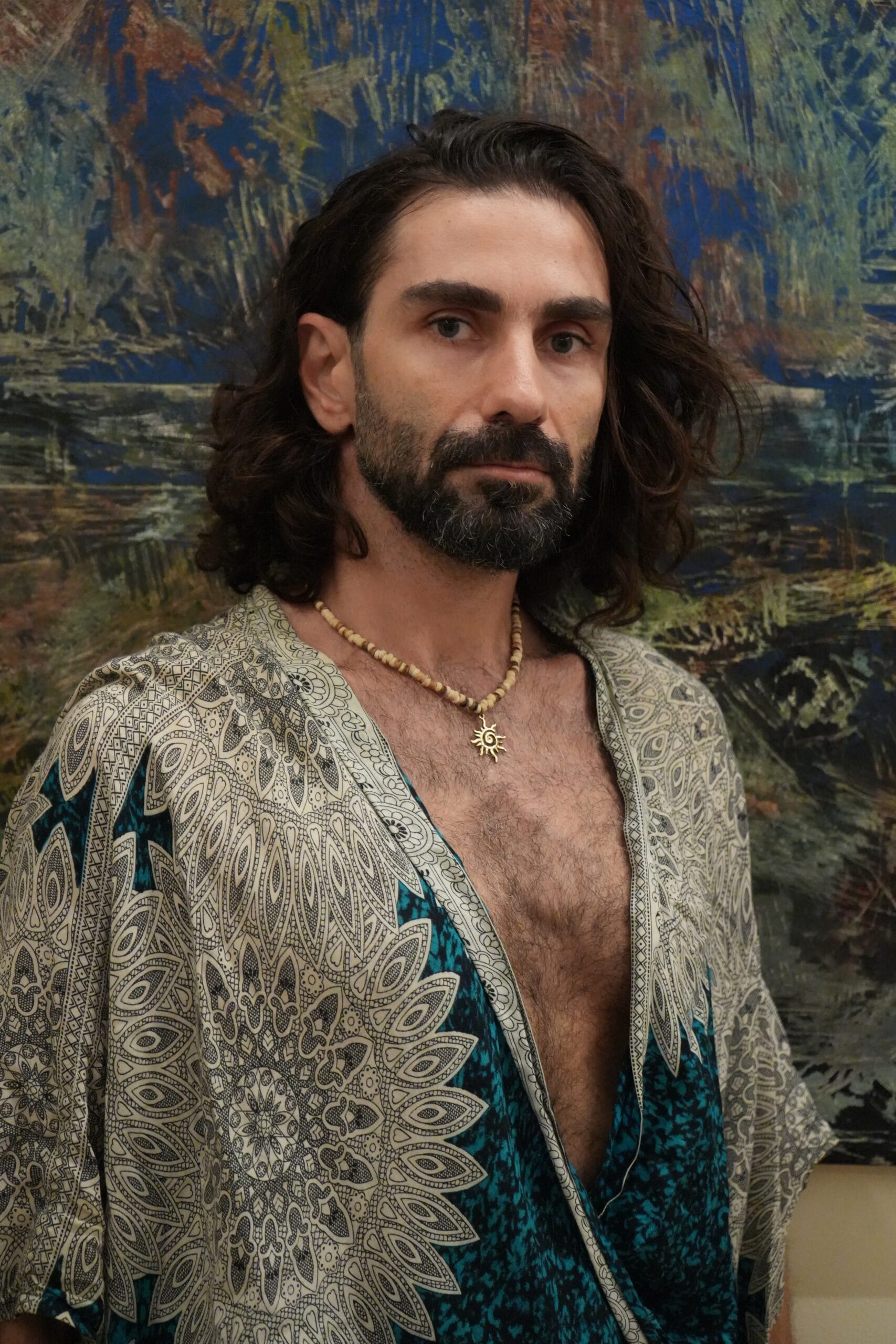
How would you describe sound healing to someone who has never experienced it before?
Imagine your body being listened to, instead of being analyzed. Sound healing is not about music; it’s about vibration meeting tension. The body naturally responds to rhythm and frequency, and when the right sound reaches the right place, the nervous system lets go. You don’t need to understand it. Your body and your mind already do.
What does a typical sound healing session with you involve, and how do you choose the instruments you use?
Every session begins before the first sound. I tune into the space, the group or individual energy, and my own state. Breathwork and intention usually come first, because they prepare the body to receive.
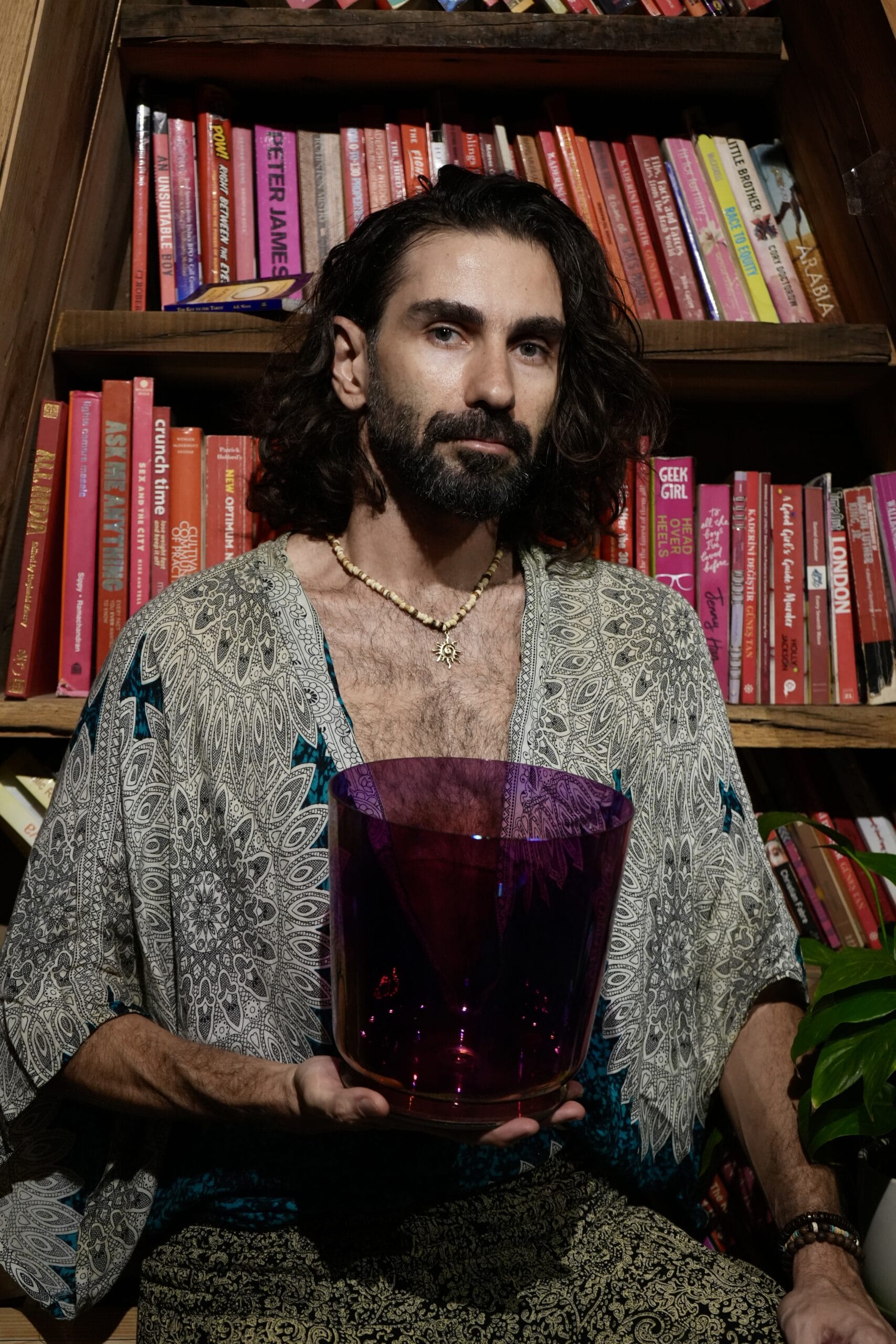
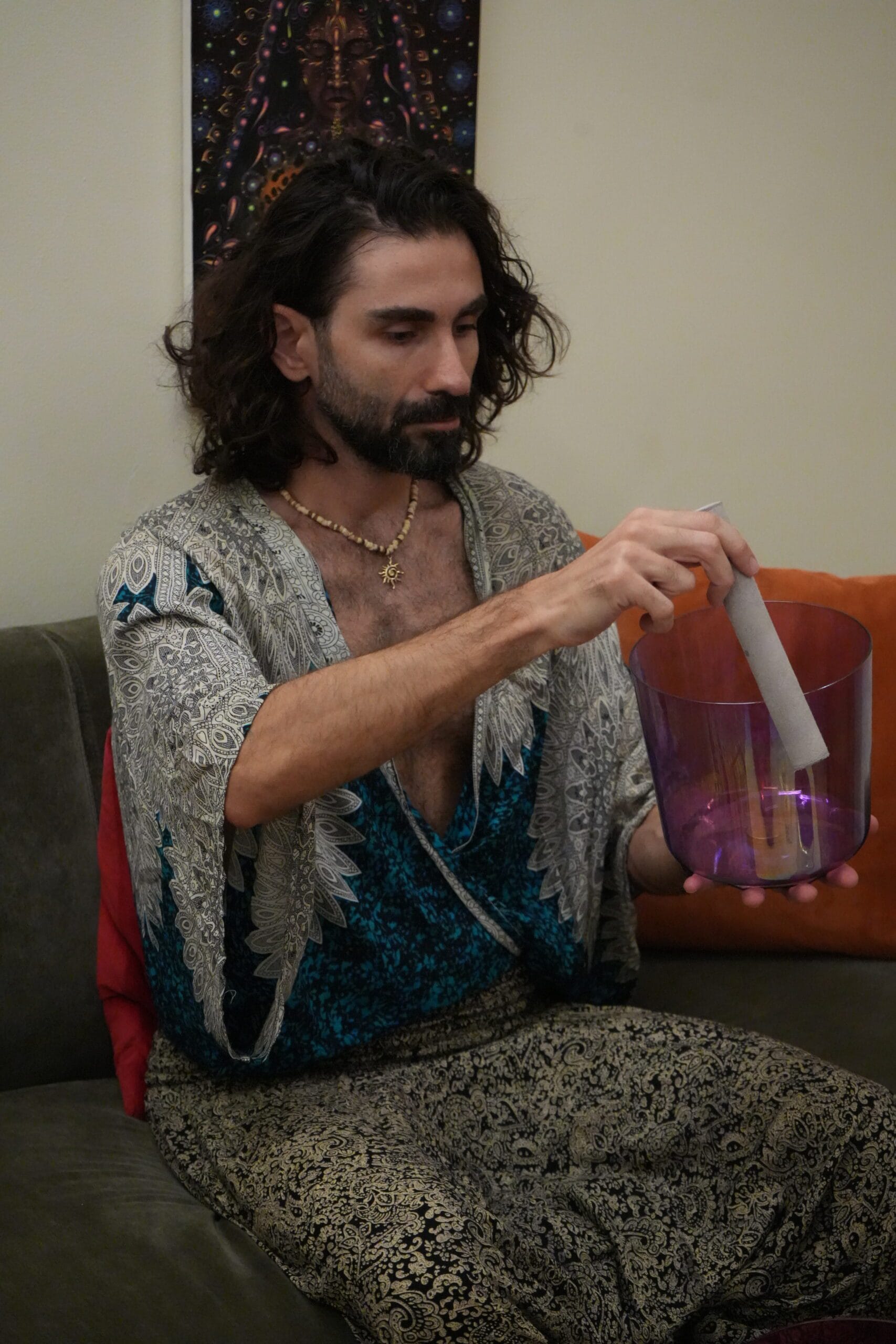
I choose instruments intuitively but informed by experience — singing bowls, alchemy bowls, crystal bowls, gongs — depending on what the session calls for.
Sometimes less is more. Sometimes the body needs waves. I listen, I feel, I connect with the need of the group energetically as much as I play the instruments.
How do different instruments affect the body and energy field differently?
Each instrument affects the body and energy field in a very different way, both energetically and neurologically.
Crystal bowls are precise. Their pure frequencies work deeply on the emotional body and the chakra system, helping the brain settle into alpha and theta states where relaxation, emotional processing, and inner awareness naturally occur.
Alchemy bowls carry a different depth. They don’t just work on a chakra level; they touch memory, subconscious patterns, and intention. I often see them guiding the brain toward theta and even delta states, where deep emotional release and restoration happen.
Singing bowls’ vibrations travel through the body in a tangible way, supporting grounding, circulation, and nervous system regulation. They gently guide the brain from beta into alpha, helping people feel safe enough to slow down.
Gongs are vast and unapologetic. They interrupt mental loops and dissolve control patterns. Neurologically, they can rapidly shift the brain into theta and sometimes touch delta, where the ego softens and the body enters a deep reset. Gongs don’t ask permission — they don’t work on the mind, they work around it.
Can you share a moment when you saw a profound shift in someone during a session?
I’ve seen many moments like this, but the most powerful ones are often very quiet. Someone lying completely still, then suddenly their breathing changes. Tears come without a story. A deep exhale that feels like years of burden leaving the body.
Often, participants tell me the 60-minute session felt like five minutes — or that they were fully present in the room and, at the same time, somewhere else entirely. A vast space. A feeling of floating, softening, melting into the moment.
What types of emotional or physical issues do you most often see people coming in with, and how can sound support them?
Most people come carrying stress, anxiety, emotional overload, and disconnection from their bodies. Physically, I often see tension-related issues, sleep problems, digestive discomfort, headaches. Sound supports them by regulating the nervous system. When the body feels safe, healing becomes possible.
Do you personally feel that sound healing changed your relationship with stress, emotion, or mind-body awareness?
Absolutely. What’s interesting is that even when I’m not in a deep receiving state during a session, as a sound healer I’m still inside the vibration field of the sound. I’m immersed in the same frequencies, the same resonance. So the work is never one-sided. I’m holding space, but I’m also being affected, regulated, and supported by the sound itself. In a quiet, indirect way, I receive the healing too.
How do you integrate the science of vibration and the spirituality of sound in your work?
For me, they’re not separate. Science explains how vibration works on the nervous system, brainwaves, and cells. Spirituality explains why it feels meaningful. I respect both. I ground my work in understanding frequencies, resonance, and physiological response, while honoring intention, presence, and silence. One without the other feels incomplete.
In your opinion, what role does intention play in healing — ours vs. the healer’s?
Intention is shared. The healer holds the container; the client does the healing. Readiness is key. I don’t believe anyone heals anyone else. I believe healing happens when guidance meets willingness. As GMCKS says, energy follows thought — the intention of both the healer and the healing seeker. My role is to guide, protect the space, and listen. The body does the rest.
How do you see sound healing evolving as a practice in the wellness world over the next decade?
I see it becoming more respected, more regulated, and more integrated into mental health and preventive care. At the same time, I hope it doesn’t lose its soul.
Sound healing is not a trend; it’s ancient, deep, and sacred — and at the same time, it is a science. The challenge will be keeping depth in a fast-paced wellness culture.
What’s something about your work that most people misunderstand or underestimate?
What most people underestimate is how much learning, awareness, and precision this work actually requires. Sound healing is not random, and it’s not intuitive improvisation alone. There are steps, calculations, and a deep understanding of frequency, timing, and progression. What you play, when you play it, and how long you hold a sound all matter.
You also have to be constantly aware of people’s energy and emotional states, especially in group sessions. A sound that supports one person can overwhelm another if it’s not introduced correctly. The work is about addressing the collective field while remaining sensitive to individual needs.
Instrument quality is also often overlooked. The purity of sound, the material, the craftsmanship — all of that affects how the body receives vibration. High-quality instruments create coherence; poorly made ones create noise. That difference is felt immediately, even if people can’t explain it.
Sound healing may look simple from the outside, but behind it is structure, responsibility, and years of training.
Do you have a daily practice or ritual that keeps you grounded and aligned?
Yes. My Arhatic Yoga practices taught by GMCKS — breathwork, meditation, energy purification, and more. Some days it’s meditation; other days it’s a conscious walk or sound played for myself. I don’t believe in rigid rituals; I believe in consistency with presence. Listening to my body, emotions, mind, and energy is the main practice.
If you could give one piece of guidance to someone just beginning their healing journey, what would it be?
Patience and presence are your best tools. Don’t rush the journey or compare it to others. Healing is a rhythm — a dance with your body and mind. Show up, listen, and the body will naturally know what to do.