
Travelers heading to the European Union may soon experience longer wait times at borders as the flexibility measures for the bloc’s entry-exit system (EES) officially conclude. Although some member states have indicated they might not enforce biometric checks immediately, the deadline for these measures passed on September 6.
Last week, airlines urged the European Commission to extend the discretionary powers that allow for the suspension of EES controls until the end of 2026. The peak holiday season has not seen a repeat of the extensive queues witnessed earlier this summer, which resulted in numerous passengers missing their flights. Industry experts believe that the relaxation of biometric information requirements, such as fingerprinting for non-EU citizens, played a significant role in averting further chaos.
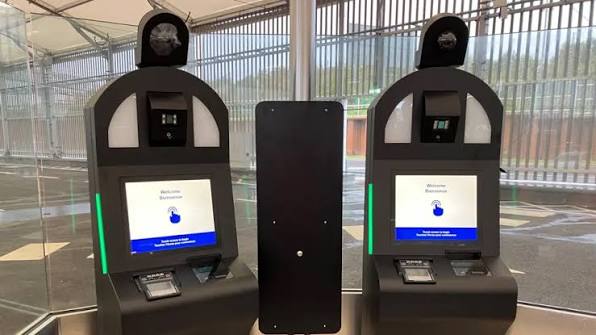
While Brussels has not granted an extension, travelers crossing the Channel to France are expected to face no immediate changes due to ongoing technical issues with the EES software, as reported by French authorities. The fingerprinting kiosks installed by Eurotunnel, Port of Dover, and Eurostar at London St Pancras remain non-operational, and Dover officials have stated that no changes are anticipated next week, with car drivers still not subjected to EES checks.
A spokesperson for Eurotunnel mentioned they are awaiting confirmation from French authorities regarding the timeline for implementing full biometric checks but are prepared to proceed once formal clearance is received. Meanwhile, Eurostar confirmed that the phased rollout of EES continues, with border officers manually completing EES enrollments.
According to a senior airline source, while monitoring is ongoing, full enforcement at the busiest European airports is not expected. Notably, border officials in popular tourist destinations like Greece have seemingly exempted UK passengers from EES checks to mitigate queues, a practice anticipated to persist.
Luke Petherbridge, director of public affairs at the UK travel industry trade body Abta, emphasized the need for the European Commission to allow for the discretionary suspension of border checks beyond September, acknowledging that full operational consistency across all participating countries is still a work in progress.
The International Air Transport Association (Iata) has also called for an official extension, citing EES-related delays that have led to passengers missing flights and connections. Thomas Reynaert, Iata’s head of external affairs, remarked on the negative impact these delays have on passenger trust and the reputation of European travel.
The European Commission has refrained from providing detailed comments but stated that it is in constructive communication with member states requiring adjustments at specific border crossing points. They expressed readiness to offer additional support during the necessary operational adjustments at these locations.