
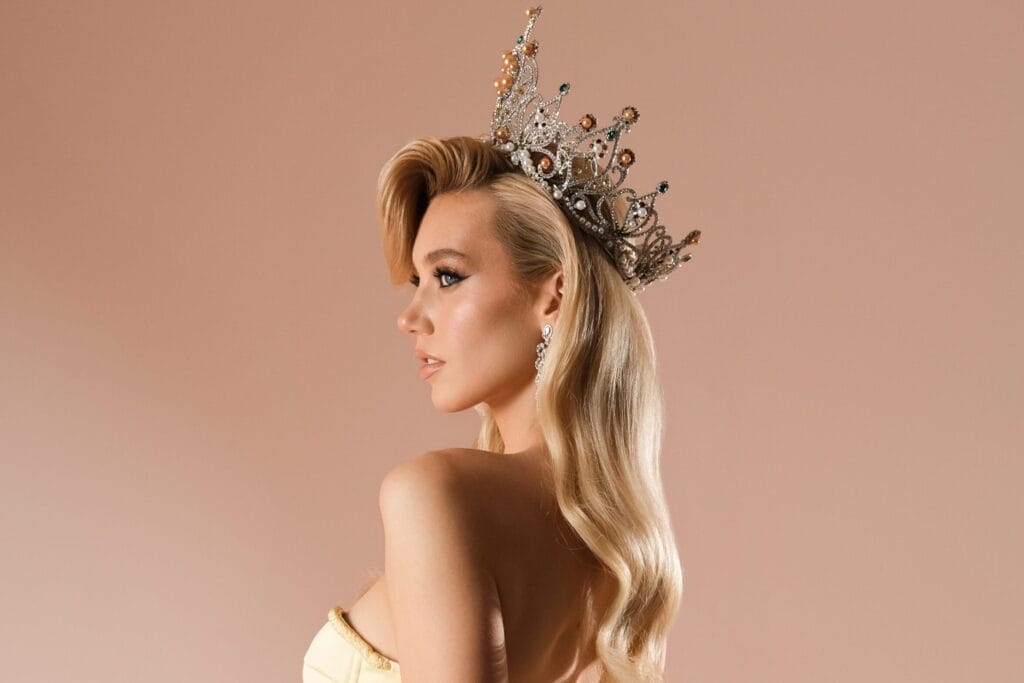
At 21, Czech student, scuba diver and environmental advocate Natálie Puškinová has transformed personal loss into a global mission. In this exclusive interview, she speaks about resilience, sustainability, youth empowerment and why caring for the planet is the greatest act of love.
Congratulations on becoming Miss Earth 2025! Was there a moment when you realized you might win — and how did you feel when they called your name?
When we were standing on stage — just the two of us, me and the contestant from Iceland — I suddenly thought, “Wow, this is the moment. I really have a chance.” It hit me that I had come through more than eighty contestants and that it was down to just the two of us.
When my name was called, the first few seconds felt unreal. I was in complete shock — I wasn’t even sure if I had heard correctly. It took a moment for the emotions to truly sink in.
What first awakened your environmental awareness?
I’ve always been deeply connected to nature. I grew up in the countryside, surrounded by fields, forests and animals. At one point, we had almost twenty chickens at home.
From a young age, I was taught not to waste food, not to buy more than I needed, and to respect every resource. That mindset stayed with me.
Becoming a scuba diver later in life strengthened this connection even more. When you’re underwater, you see not only the beauty but also the fragility of marine life. That’s when you truly understand how urgently our planet needs protection. Sustainability isn’t a trend for me — it’s part of who I am.
Who were your role models growing up?
Greta Thunberg was a huge inspiration for me. She showed the world that age is not a limitation. Even as a teenager, she sparked a global movement and brought millions of young people into climate activism. Seeing someone so young influence international conversations gave me confidence that my voice could matter too.
During the final Q&A, you ended your answer in Filipino. Why was that important to you?
I love learning languages because they allow us to connect more deeply with people. During my three weeks in the Philippines, I tried to learn as much Filipino as possible out of respect for the culture.
The audience that night was full of Filipinos, and speaking their language felt like a sincere gesture of gratitude. I also love ending speeches with a simple but powerful message — something that stays with people. That’s why I chose to finish in Filipino: to honor the country and leave the stage with something heartfelt and memorable.
You often speak about environmental and social justice as interconnected. Why?
Because they truly are inseparable. Communities that are already vulnerable — due to poverty, inequality or lack of education — are often the ones most affected by climate change. When we fight for the environment, we’re not only protecting ecosystems. We’re protecting people’s health, safety and future opportunities.
Tell us about your “From Plate to Planet” initiative.
This project comes directly from my upbringing. In my family, food was never wasted. If we couldn’t eat something in time, we froze it or fed it to our chickens. As I grew older, I realized that food waste is something every single person can influence. That’s why I started visiting elementary schools to talk with children about food waste and mindful consumption. We also organize fun cooking workshops, teaching kids how to use ingredients creatively and responsibly. My hope is that these habits will stay with them for life — just as they stayed with me.
What is the vision behind the “Mini Academy” project?
The Mini Academy grew from my visits to children’s homes, where I taught practical lessons on sustainable cooking and food waste reduction. My goal is to expand this initiative under the EU Solidarity Corps. It’s a complex process with a lot of bureaucracy, but I’m determined to develop it into a long-term program focused on education, sustainability and solidarity. When we teach young people to care for resources, we teach them to care for themselves, their communities and the planet.
As Miss Earth, how do you approach women’s empowerment?
For me, empowerment means leading by example. Speaking confidently about issues I believe in, pursuing education and standing proudly in spaces where women’s voices deserve to be heard. I want young women to see that their ideas, passion and voice matter — even if they’re still finding their path.
What message would you send to young women around the world?
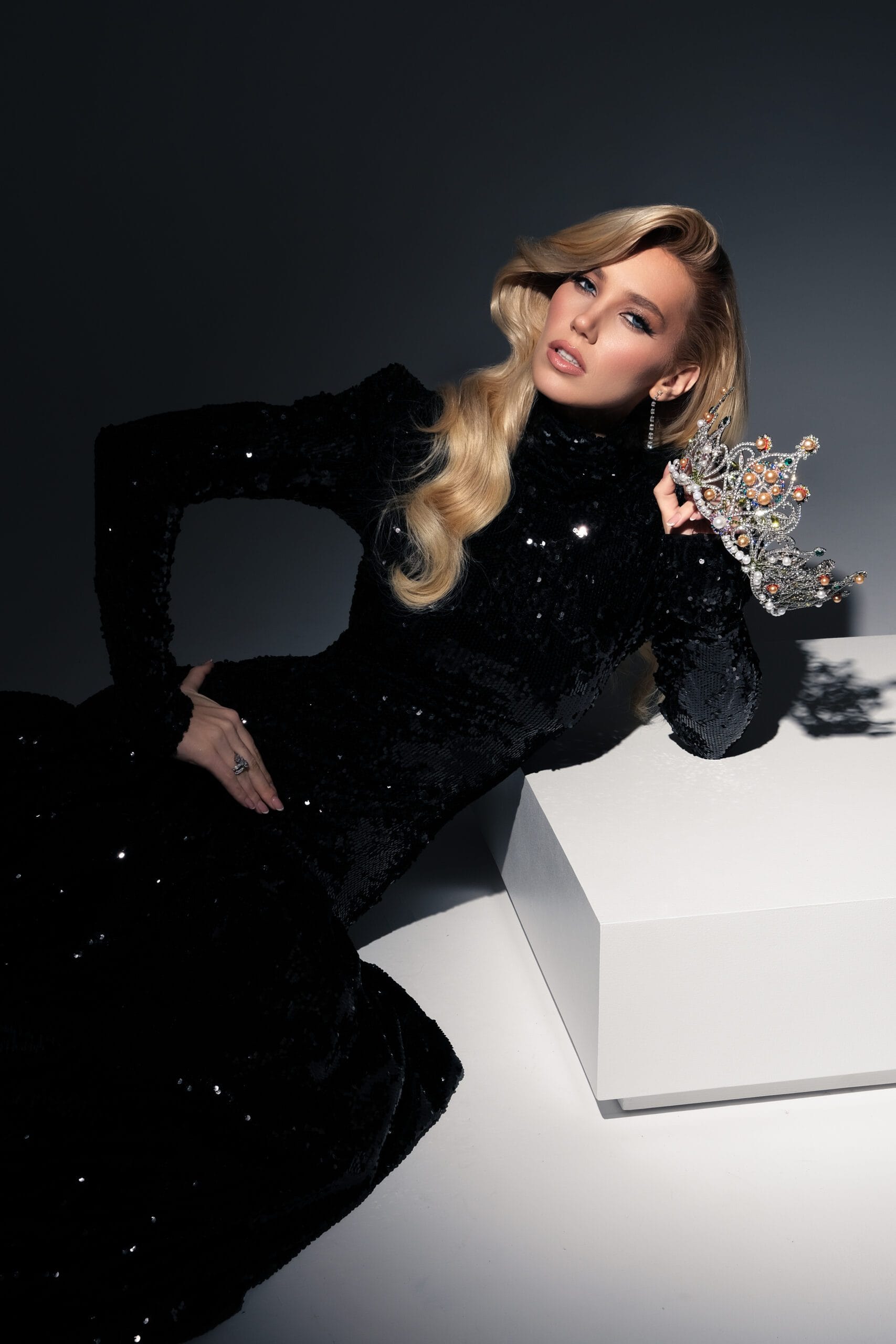
You can achieve absolutely anything if you believe in yourself. I never imagined becoming Miss Earth Czech Republic, let alone Miss Earth. Yet here I am. Life becomes what you choose to make of it. Don’t be afraid to take opportunities when they come. Beauty pageants can be powerful platforms that amplify your voice and help you create change. Dream big and don’t let fear stop you.
How do you balance studies, advocacy and the Miss Earth title?
It’s challenging, but I’m incredibly grateful. The schedule is intense, and sometimes I wish I could split myself into ten pieces. For now, I’m giving this journey everything I have — sleep is something I’ll catch up on next year.
If you could speak to your 16-year-old self, what would you say?
I lost my father when I was sixteen, and it was one of the hardest moments of my life. I would tell her that life still has beautiful plans ahead — plans she cannot see yet. I would tell her not to give up, to keep moving forward, and to trust that one day, this pain will turn into strength.
What do you hope people remember about you?
That I was always there for others! Winning Miss Earth doesn’t make me more than anyone else — it simply gives me a larger platform to serve, connect and give back.