
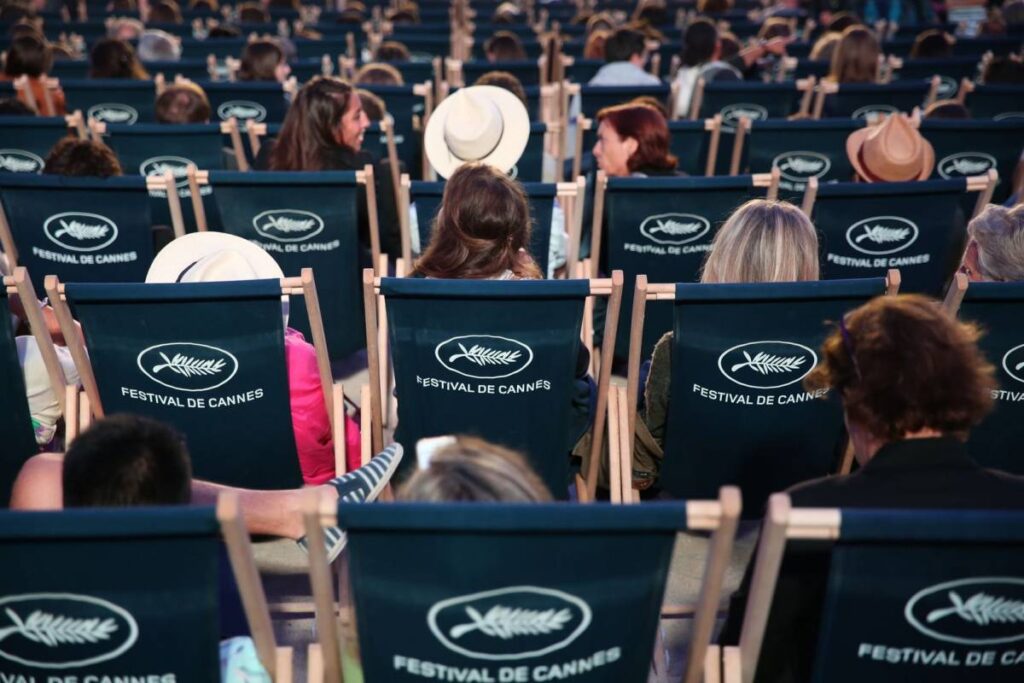
While the Venice Film Festival holds the title of the very first significant film festival, it wasn’t long before a worthy alternative emerged, overshadowing all that came before it. Get ready, as we embark on a journey through the history of the Cannes festival.
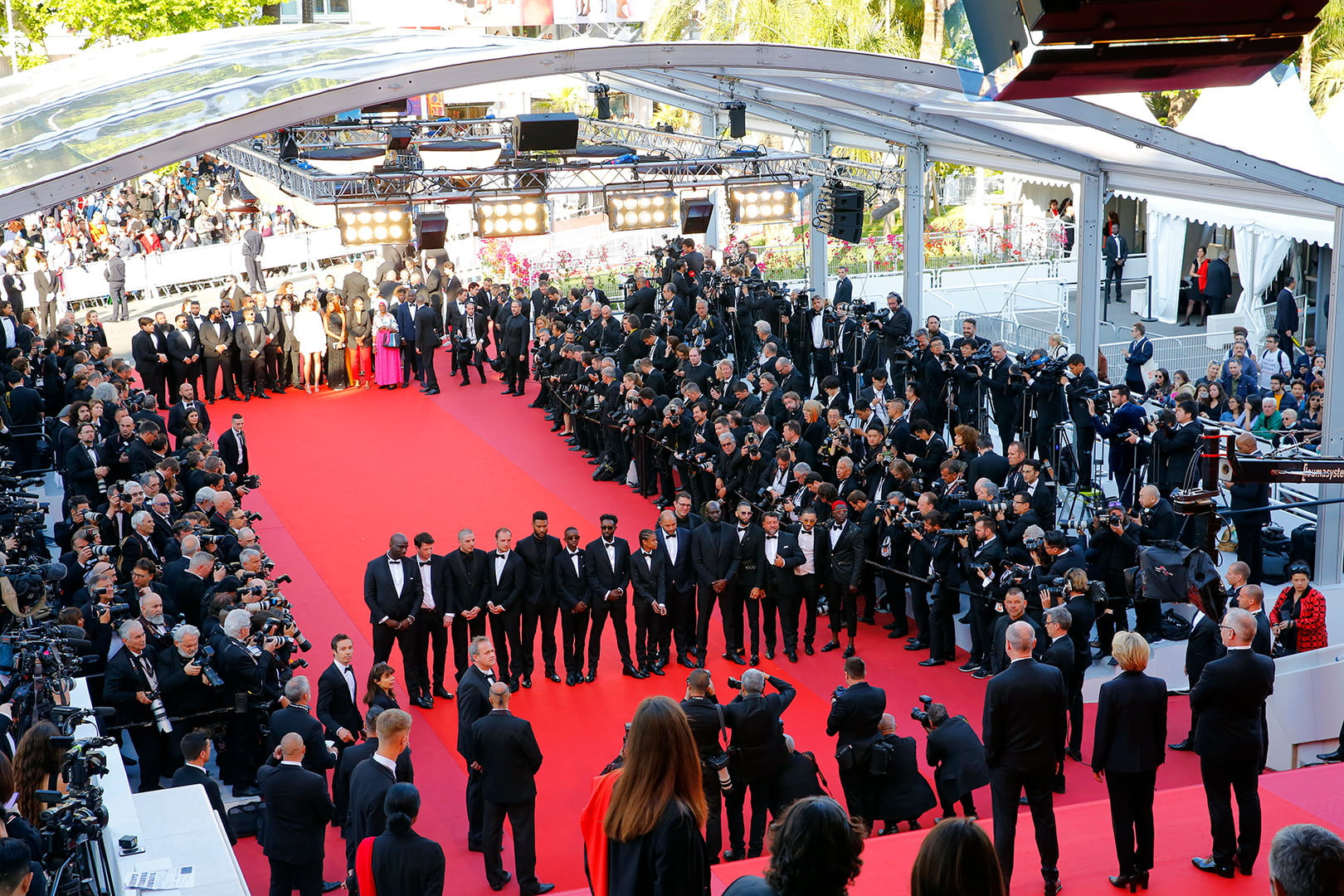
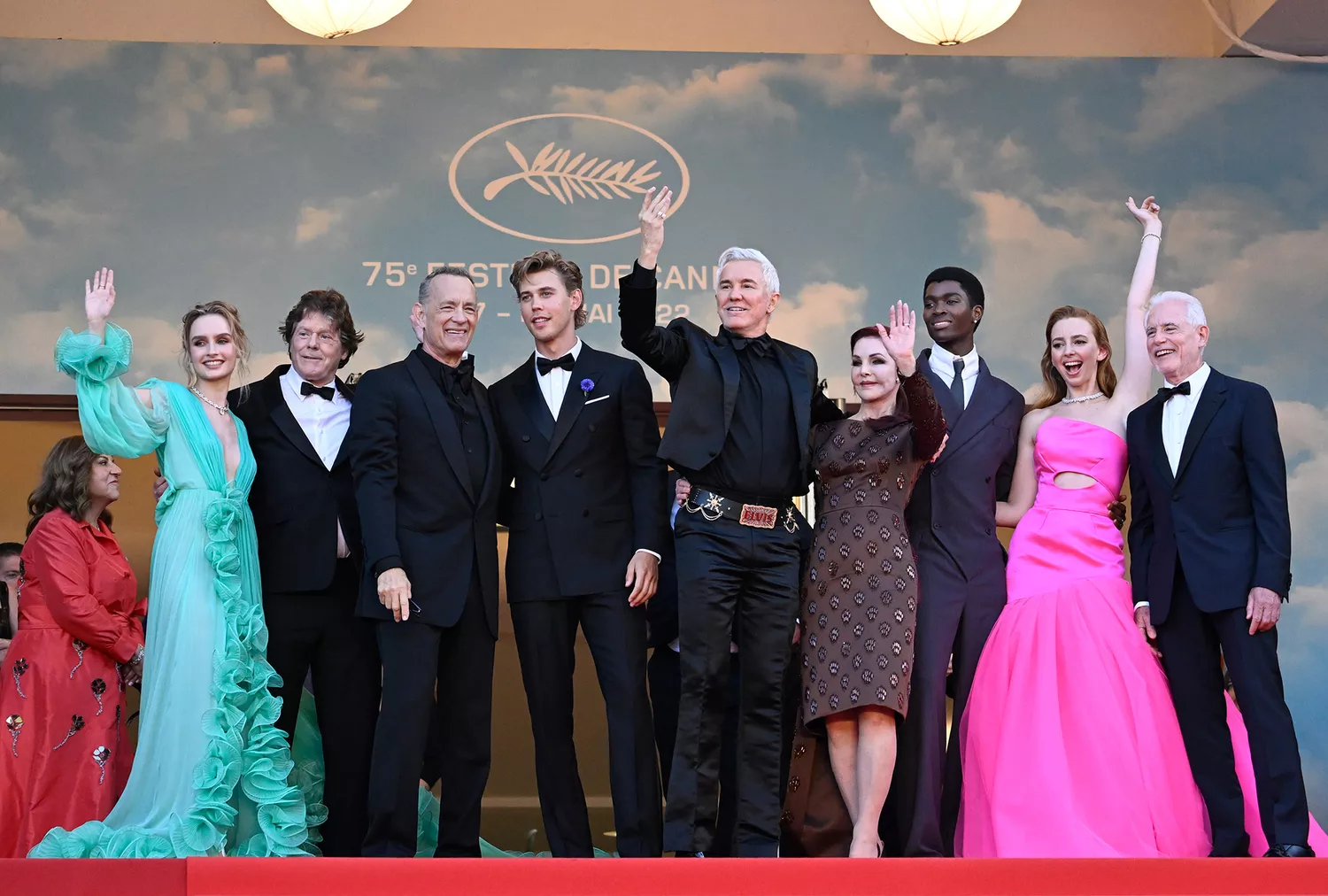
The Cannes Film Festival garners just as much media attention as the Oscars, and its red carpet can rightfully rival the American ceremony. Just like the Oscars, which ceased being solely an American event with its televised broadcast, Cannes has transcended its origins to become a global phenomenon.
Cannes is a fantastic way to make a global statement about your film. It’s a gateway to the European market, which constitutes a significant portion of worldwide box office revenue. It’s no wonder that practically every European director prepares their film for this festival. Traditionally, out of the three major festivals, it’s the hardest to get into Berlin, as many simply hold onto their films hoping for a Cannes invitation. Venice has it much easier in this regard: those not selected for Cannes, plus those who didn’t finish their films in time for the Riviera festival, can still make it into the program. So, while major American studios release their strongest films around Christmas (i.e., for the Oscars), independent studios from around the world, especially European ones, save their best for Cannes. By the way, at least half of the nominees for Best Foreign Language Film at the Oscars and Golden Globes each year come from the Cannes competition. Thus, the festival perfectly reflects the main trends in world cinema.
Initially, the Cannes festival was created as an alternative to Venice. The main complaint against the Venice festival, which fell under the influence of the Nazi regime, was its lack of objectivity: in 1938, the victory went to Leni Riefenstahl’s propagandistic film “Olympia” and “Pilot Luciano Serra” by Mussolini’s son.
The Early Years of the Festival
The opening of the first festival was planned for September 1, 1939. The program was already set, and the jury was to be headed by Louis Lumière. However, the war that began on that very day threw all plans into disarray. As a result, the first screening took place only in 1946, from September 20 to October 5. In 1947, the festival literally lost its roof (it was blown into the sea due to strong winds) just before the closing ceremony, and the awards ceremony had to be moved to the casino. The festival did not take place in 1948 and 1950. There are two versions of why: according to the first, there simply wasn’t enough funding allocated for its organization. According to the second, Cannes entered into an informal agreement with Venice, whereby the festivals alternated every two years. The latter version is supported by the fact that the timing of Venice and Cannes was close. From 1951, the festival permanently moved to spring, settling on a time for its annual occurrence.
The Rise and Fall
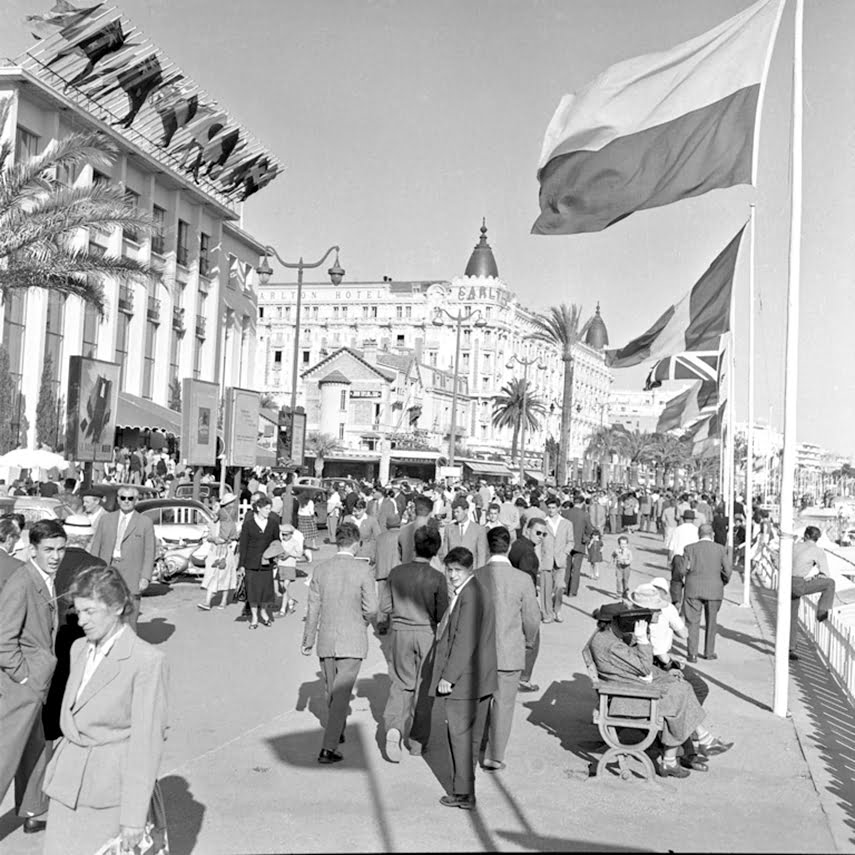
From the mid-1950s, Cannes became a global event. Stars started actively attending, and the competition consistently featured works by the world’s best directors—Federico Fellini, Luis Buñuel, Ingmar Bergman, and others. In 1959, the festival shone with the “French New Wave”: François Truffaut won the Best Director prize for “The 400 Blows,” while Alain Resnais presented “Hiroshima Mon Amour.” In the 1960s, the festival introduced the world to directors who would become iconic—Andrei Tarkovsky, Miklós Jancsó, István Szabó. In 1968, the festival was interrupted—all screenings were canceled due to student riots. On May 13, protesters even managed to seize the festival palace. On May 18, François Truffaut, Jean-Luc Godard, Claude Lelouch, Claude Berri, Roman Polanski, Louis Malle, and Jean-Pierre Léaud joined the protesters. They all protested against the Minister of Culture, André Malraux, who decided to dismiss the head of the Paris Cinematheque, Henri Langlois (more details about this confrontation can be found in Bernardo Bertolucci’s film “The Dreamers”). In solidarity with the protesters, Alain Resnais, Carlos Saura, and Milos Forman withdrew their films from the competition. On May 19, the organizers canceled the festival.
Evolution of the Viewing
A decade later, the festival awaited its most significant changes since its inception. These innovations were associated with the arrival of Gilles Jacob in the direction—a man who, without exaggeration, shaped modern Cannes. He was behind the creation of the “Golden Camera” award, given to the best debut film, regardless of its program inclusion. Under his guidance, the official program introduced the “Un Certain Regard” section. Then he reduced the duration of the festival from 15 to 13 days, and then to 11 days, making it more compact and intense. With Gilles Jacob, the festival adhered to principles of freedom of speech and conscience, supporting controversial directors such as Carlos Saura, Andrzej Wajda, Juan Antonio Bardem, and Otar Iosseliani, and refusing authoritarian regimes in promoting films not based on artistic merits. Support for filmmakers from third world countries began to emerge. Essentially, the festival became independent of state institutions. Other changes affected the composition of the jury. Previously consisting mainly of members of the French Academy, now their place was taken by famous representatives of cinema from around the world.
Who Calls the Shots in Cannes?
Until 2000, the festival was effectively run by two individuals: the president and the general manager, who combined the roles of CEO, executive director, and liaison with actors and directors. The president is appointed for a three-year term by a council consisting of representatives from the Ministry of Culture, Ministry of Foreign Affairs, Senate, Filmmakers’ Union, Authors’ Society, and Theater Union. The president appoints the general manager and all members of the Administrative Board. In 2001, President Gilles Jacob divided the roles of general and artistic directors. The former was responsible for organizing the festival, while the latter handled film selection, jury, and celebrity arrivals. Thierry Frémaux was appointed as the artistic director. In 2007, the general director, Veronique Cayla, stepped down, and all responsibilities transferred to Thierry Frémaux, who became the general manager of the event. Thus, he oversees the entire selection of the official program, screening schedules, jury formation, and celebrity arrivals.
How Are Films Selected for Competition?
Initially, the festival operated on the principle of territorial selection of films: countries themselves proposed participants for the festival, similar to how films are now selected for the “Best Foreign Language Film” category at the Oscars. In 1972, this principle changed. A special selection committee was created to accept applications from all interested parties. Additionally, the so-called named principle of selection was introduced, where films from specific directors invited by the festival are given priority consideration. Now there are even two selection committees, each consisting of several people: one deals with the selection of foreign films, the other with French films. Both committees are subordinate to the general manager, who retains the ultimate authority in selecting candidates. Today, according to an unofficial rule, more than half of the main competition consists of directors who have participated in Cannes awards distribution multiple times. Plus, one or two debutants who have never before participated in the official program, as well as a director whose previous film has performed exceptionally well in the “Un Certain Regard” section. Special attention is paid to local protectionism: every year, three to four participants in the competition must represent France. It’s also important to remember the principle of premieres. Any film vying for competition cannot have been previously screened at other festivals or released for distribution outside its country of production. In Cannes, the film must have its international premiere.
Structure of the Cannes Film Festival
- The main competition program (where participants compete for the top prize, the “Golden Palm Branch”);
- The “Un Certain Regard” program. Second in significance after the main competition, it highlights original and innovative cinema. The award-winning film receives support for distribution in France;
- The short film competition;
- The Cinefondation program, where aspiring directors and students present their works. Typically, this program features 15 to 20 short and medium-length films from film schools around the world.
- The “Cannes Classics” program, which showcases screenings of restored film classics: recognized masterpieces and rare works.
Additionally, alongside the Cannes Film Festival, the following events take place:
- The “Directors’ Fortnight,” where directors award the “Golden Carriage” to one of their peers.
- The “Critics’ Week,” typically supporting independent cinema. Debut directors often present their works here.
- The ACID program, founded by the Association of Independent Filmmakers. Usually, films that have not yet found distributors are shown here. There are no juries or prizes in this section.
- The Marché du Film, a film market where industry professionals from different countries establish connections, develop contacts, make deals, and conduct presentations. Sellers and producers can hold paid screenings of their films.
What Prizes Are Awarded at Cannes?
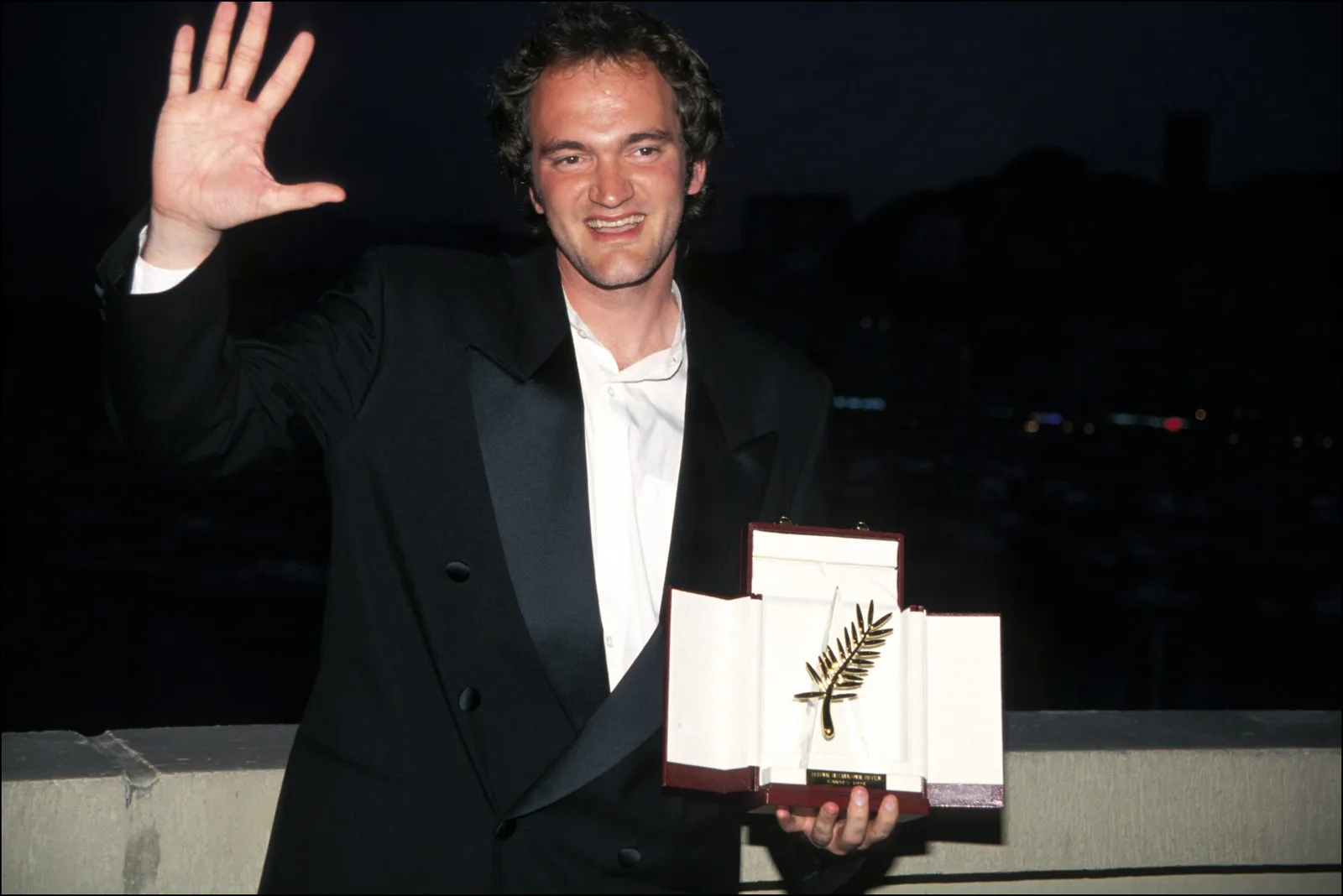
The main prize, the “Palme d’Or,” was introduced in 1955 at the initiative of the general manager, Robert Favre le Bret. Before that, the main prize of the festival was the Grand Prix of the Jury. However, from 1964 to 1974, the “Palme d’Or” was not awarded and was replaced by the Grand Prix. But since 1975, this award has permanently become the second most important after the “Palme d’Or.” Additionally, the following prizes are awarded:
Main Competition:
- Best Actress Award
- Best Actor Award
- Best Director Award
- Best Screenplay Award
- Jury Prize
Other Sections:
- Best Film Award in the “Un Certain Regard” section
- “Palme d’Or” for the Best Short Film
- Cinéfondation Prize
- “Golden Camera” Award
There are also many other awards not directly related to the festival’s management, such as the FIPRESCI Critics’ Prize, the “Palm Dog” (for the best actor-dog), the “Queer Palm” for the best film addressing LGBTQ+ issues, and so on.
What is the Festival Palace?
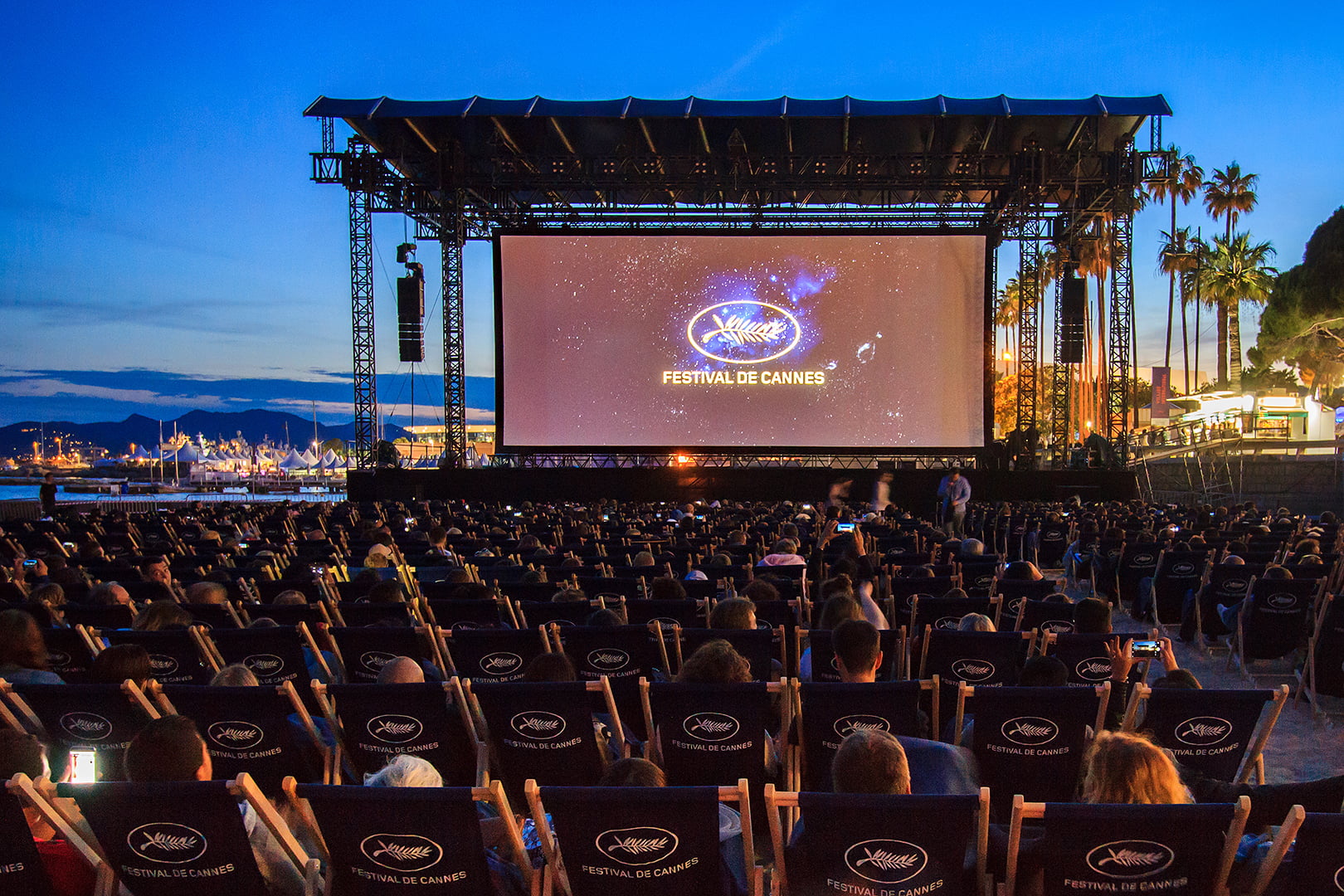
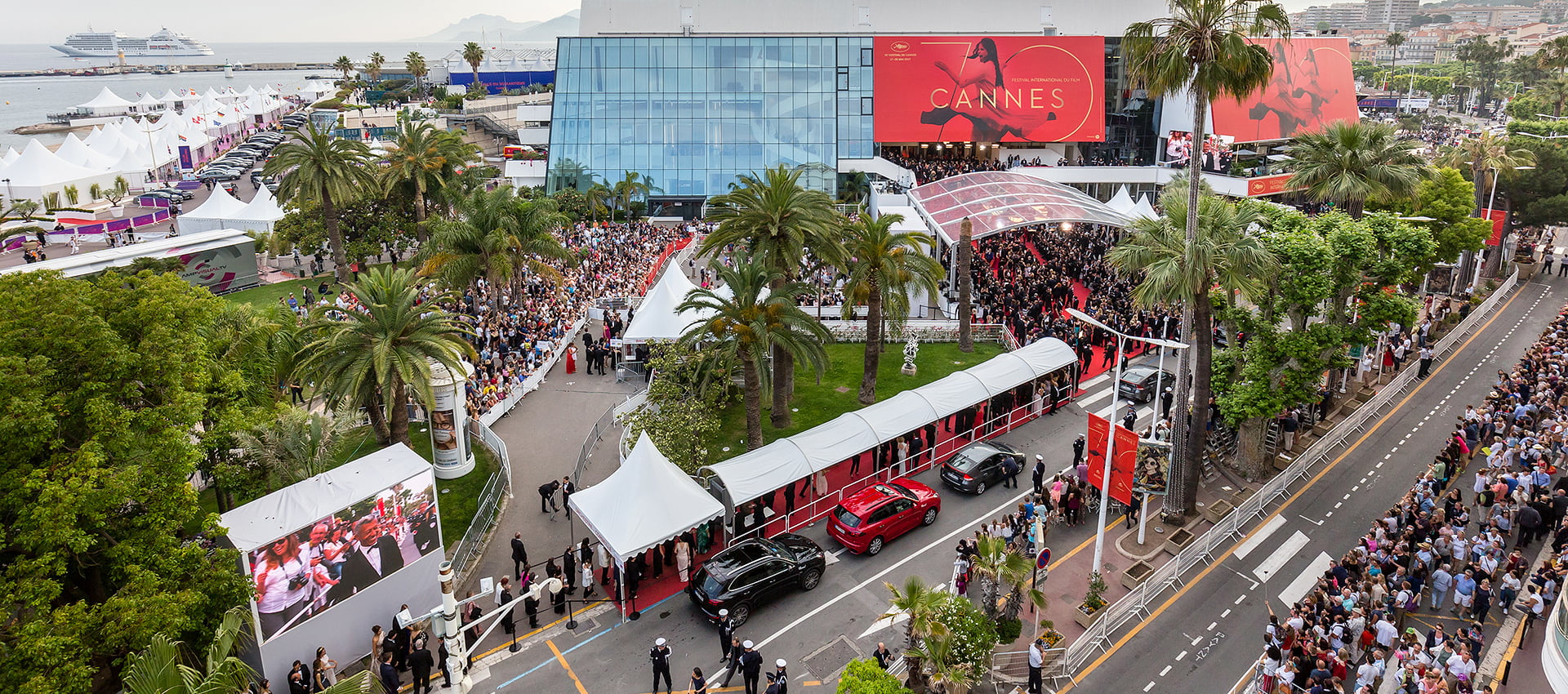
The modern Festival Palace was built in 1982 on the site of the former casino. At that time, all festival screenings were held in the old palace (Palais Croisette), located a bit further along the waterfront (now part of the Marriott hotel complex and the main venue for the Directors’ Fortnight section). It is modern and convenient enough to host a festival of this caliber. In addition to the main screening hall – the Grand Lumière Theater – it houses the Debussy Theater (the main venue for the Un Certain Regard section), the Bazin Theater, the Buñuel Theater, and numerous smaller theaters, accommodating several dozen people, where market screenings take place. It also houses a press center, an exhibition area, rest rooms for festival guests, a press conference room, and photo calls on its rooftop. Adjacent to it is a temporary tent – the 60th hall (the main venue for repeat screenings of competition films the next day).
Selfie Ban
One of the first decisions made by Cannes President Lesquereux was to ban selfies on the red carpet. This news sparked heated debate, especially considering that the previous president, Gilles Jacob, was fond of taking selfies while greeting festival guests. The new broom decided to sweep differently, reminding everyone that Cannes adheres to strict etiquette. Moreover, it was evident that the wave of selfies was greatly annoying the official Cannes photographers, who usually sell exclusive festival photos for a hefty sum. Although it seems strange that amateur selfies could undermine their longstanding business. Nevertheless, despite the official ban, many who walk the red carpet still take selfies, aiming to capture themselves for posterity. Stars are no exception.
Prepared by Michelle Armand