
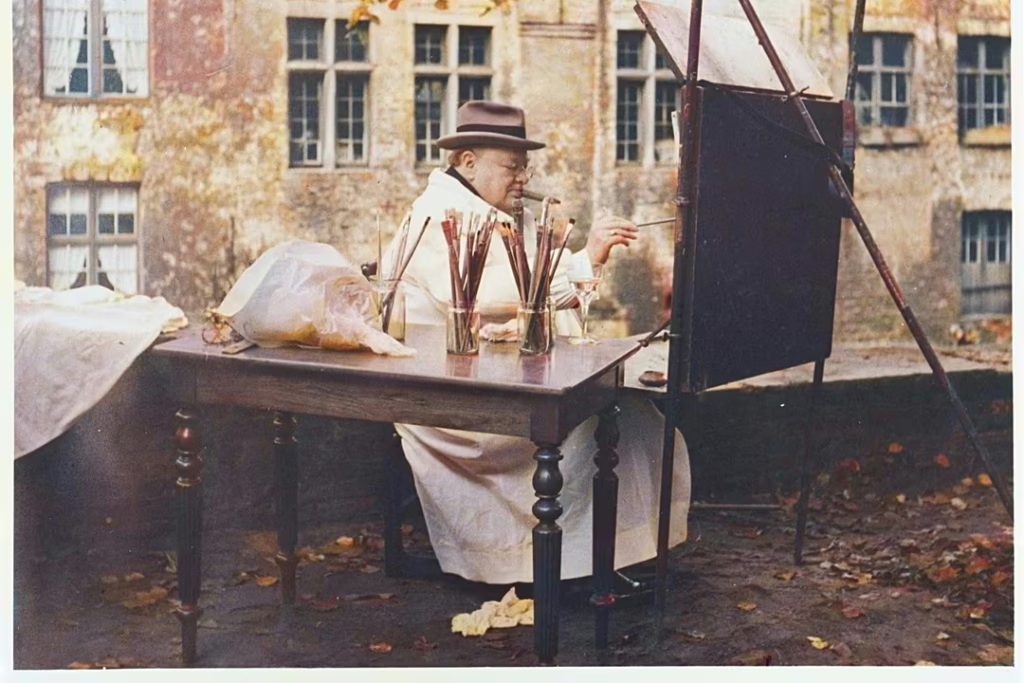
The Wallace Museum in London hosted the opening of an exhibition dedicated to Winston Churchill’s artistic endeavors. The organizers describe the exhibit as the most extensive presentation of his works in over six decades.
The exhibition showcases over 50 of Churchill’s paintings, including rarely publicly viewed pieces that illustrate his artistic growth from early attempts to later works. This provides an opportunity to explore the lesser-known aspects of the British politician’s life, famously known for his tenure as Prime Minister during World War II.
Churchill began painting during World War I after resigning from his government position in 1915, following the unsuccessful Dardanelles Campaign, which he had helped develop as First Lord of the Admiralty. This period is considered one of the most challenging in his biography, notes exhibition co-curator Lucy Davis, adding that painting became a new focus for Churchill during a period of significant free time.
The exhibit’s structure is chronologically ordered, starting with early works crafted under the guidance of artist John Lavery and continuing with pieces from the 1920s, inspired by the countryside retreat of Chartwell. Despite a lack of formal artistic training, Churchill quickly mastered landscape painting, drawing inspiration on trips to southern France and Morocco.
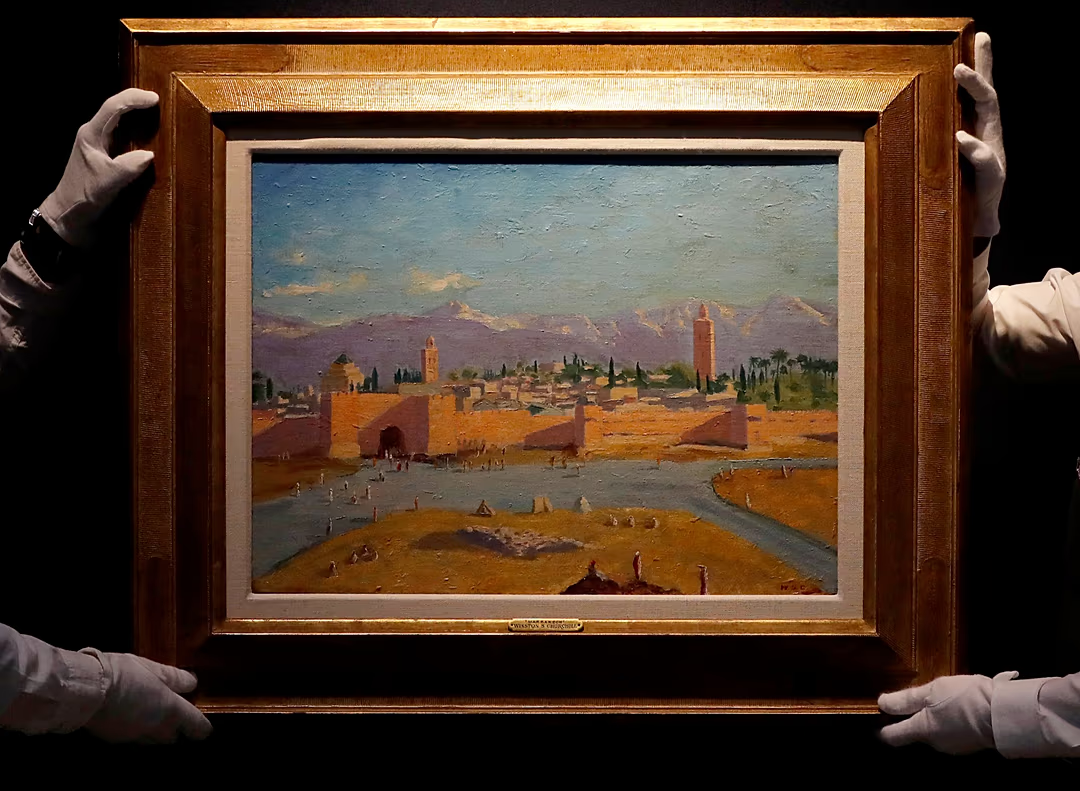
Special attention is given to paintings influenced by Moroccan motifs, including “The Tower of Kutubiyya Mosque,” the only artwork created during World War II. This painting was later presented to U.S. President Franklin D. Roosevelt and, in the 21st century, resided in the private collection of Hollywood actress Angelina Jolie, who auctioned it in 2021.
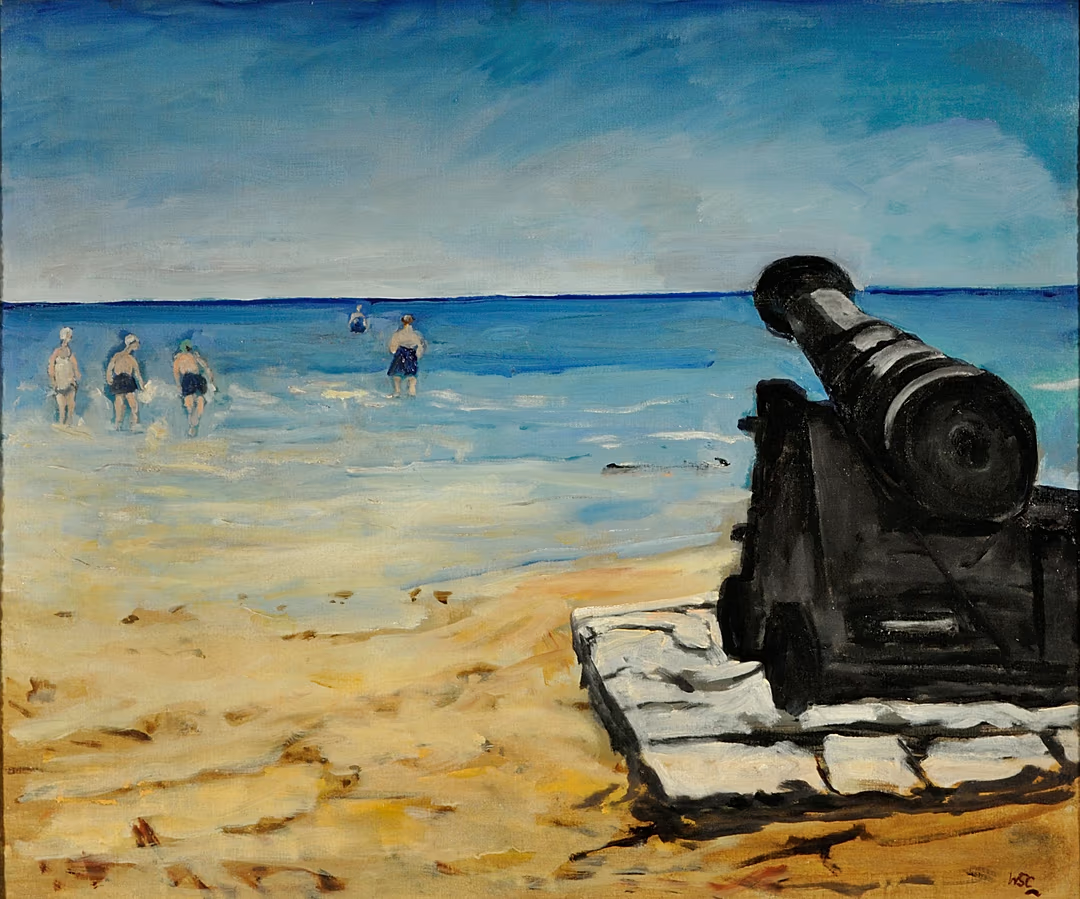
Even though Churchill earned a reputation as a wartime leader, his depiction of war in his artwork is minimal. According to Davis, the paintings reveal other facets of his personality, such as vitality, wit, and playfulness. An exception is the 1938 canvas “Beach at Walmer,” which visualizes the ominous threat of impending war through the juxtaposition of beachfront leisure scenes and a black cannon pointed toward the sea.
The exhibit’s concluding section highlights Churchill’s post-war creative phase, when, after his defeat in parliamentary elections, he resumed artistic pursuits and continued painting until he died in 1965. Some of these later works have been displayed at the Royal Academy of Arts.
Thus, the exhibition offers a fresh perspective on one of the 20th century’s leading British politicians, emphasizing the significance of painting in his life for several decades.